
Contemporary Horse Keeping is built on three pillars:
Contemporary Horse Keeping: Traditional horse keeping is based only on human traditions, not the horse’s needs. My extensive studies of Nevada Mustangs have shown that wild horses don’t sleep much at night, are never confined, and use all gaits every day. Because horses are prey animals, they don’t lie down and sleep for long periods at night, since that would make them an easy meal for a predator. If they lie down at all, it’s usually around 10 AM when it’s getting warm again after a cold night. That stalled horses lie down during the night is likely only because they are bored and have nothing better to do. That has nothing to do with natural behavior.
My extended stays in the desert also showed that all herds I followed regularly stopped their food search and galloped straight out into the desert without any visible reason until they disappeared in a cloud of dust. There is a widespread opinion that I agree with, saying that 20 minutes of fast gallop each day is the best way to minimize the risk of founder. Racehorses seldom founder until they get injured.
Here is where the Power Paddock comes in handy. By building a 3-meter (10 feet) wide corridor system in connection to where the horses spend their days, adding a daily half hour of gallop for the whole herd becomes both easy and time-efficient. Click here for the story of the Power Paddock.
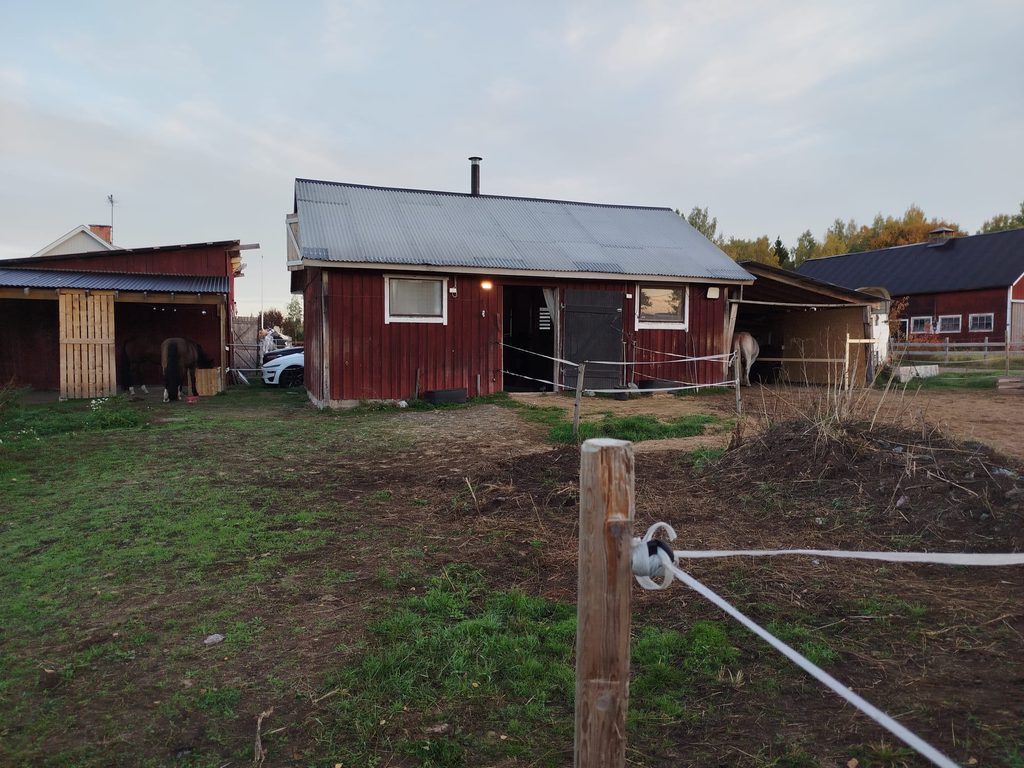
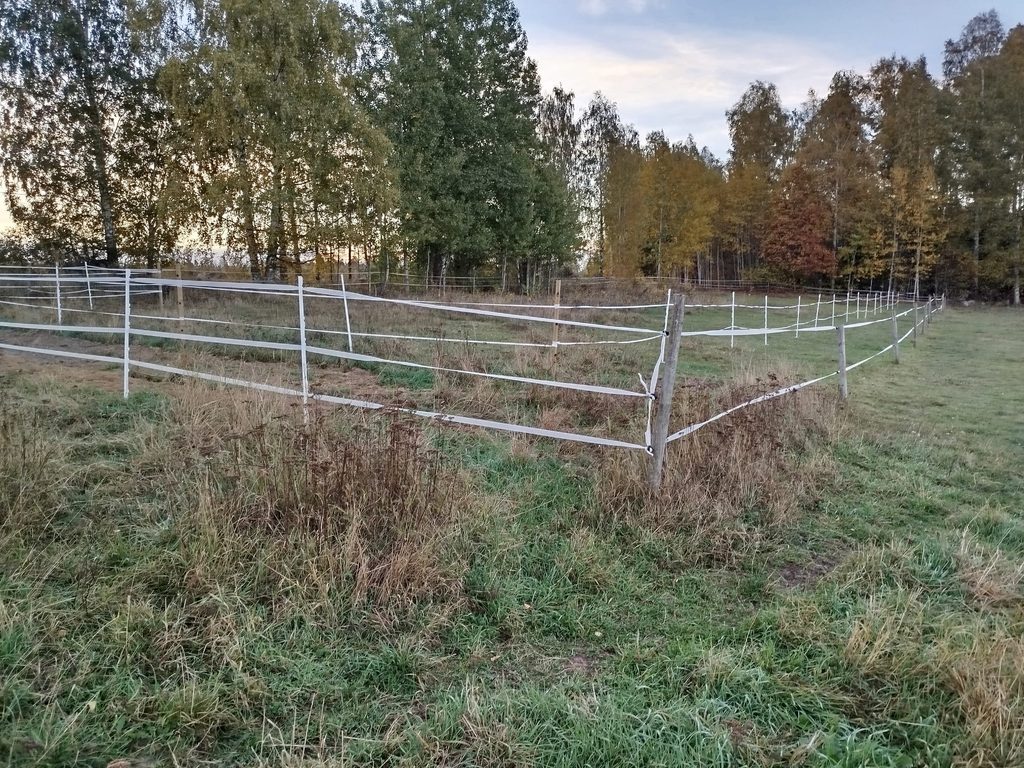
Contemporary SlowFeeding: Traditional feeding on the floor or on the ground are health traps. Feeding on the floor can lead to ammonia intoxication, and feeding loose hay on the ground can lead to sand colic. Hanging haynets are seldom a good alternative since it often forces the horse into unnatural eating positions.
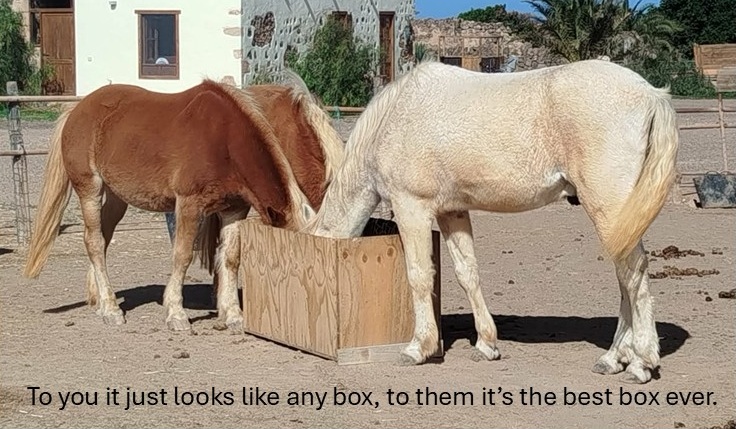
Stuffing hay nets is also a tedious waste of time, just like feeding multiple times per day is. SlowFeeding-Freedom takes only seconds to fill, and you never need to fill more than once per 24 hours, in some cases not even every day, to let your horse have continuous access to his hay.
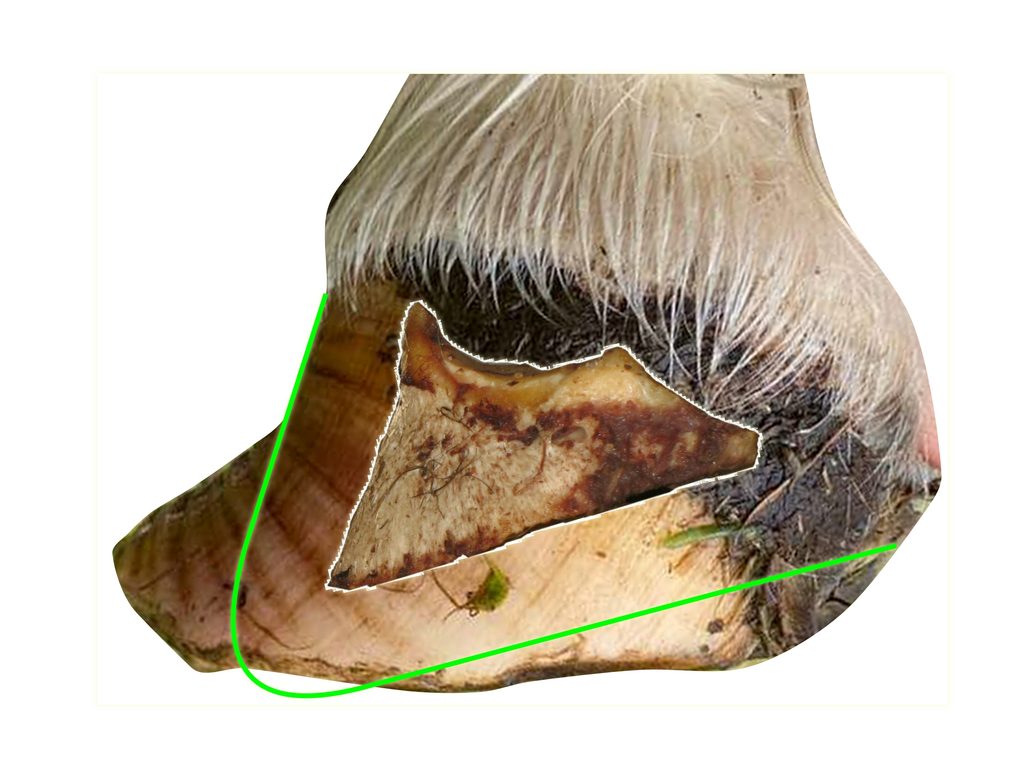
Contemporary Hoof Care: That traditional hoof care creates more problems than it cures is well documented in veterinary statistics, and that should not surprise anyone, since it has no scientific foundation. The foundation of traditional hoof care is built on the misconception that the coffin bone is suspended within the hoof capsule, which would break the laws of nature.
For the coffin bone to hang from the hoof wall by the laminae, the laminae must be aligned with the force. Since we are talking about gravitational forces, which always point to the center of the Earth, the laminae would have to be vertical, which they are not. The primary laminae are structural parts of the hoof wall, and all of the primary laminae are perpendicular to the hoof wall. The secondary laminae stick out like branches on a tree from the primary laminae, and none of these reach the coffin bone. And no, the keratin fibers that crisscross the corium in an unstructured network are not aligned to transfer any forces.
The coffin bone is always standing on the sole corium that is connected to the sole, whether the sole makes ground contact or not.
If you are in a hurry to get more information about Contemporary Hoof Care, please visit Equinehooves.com .